From Summer Mode to School Mode: How to Help Your Child Adjust Without the Daily Battles
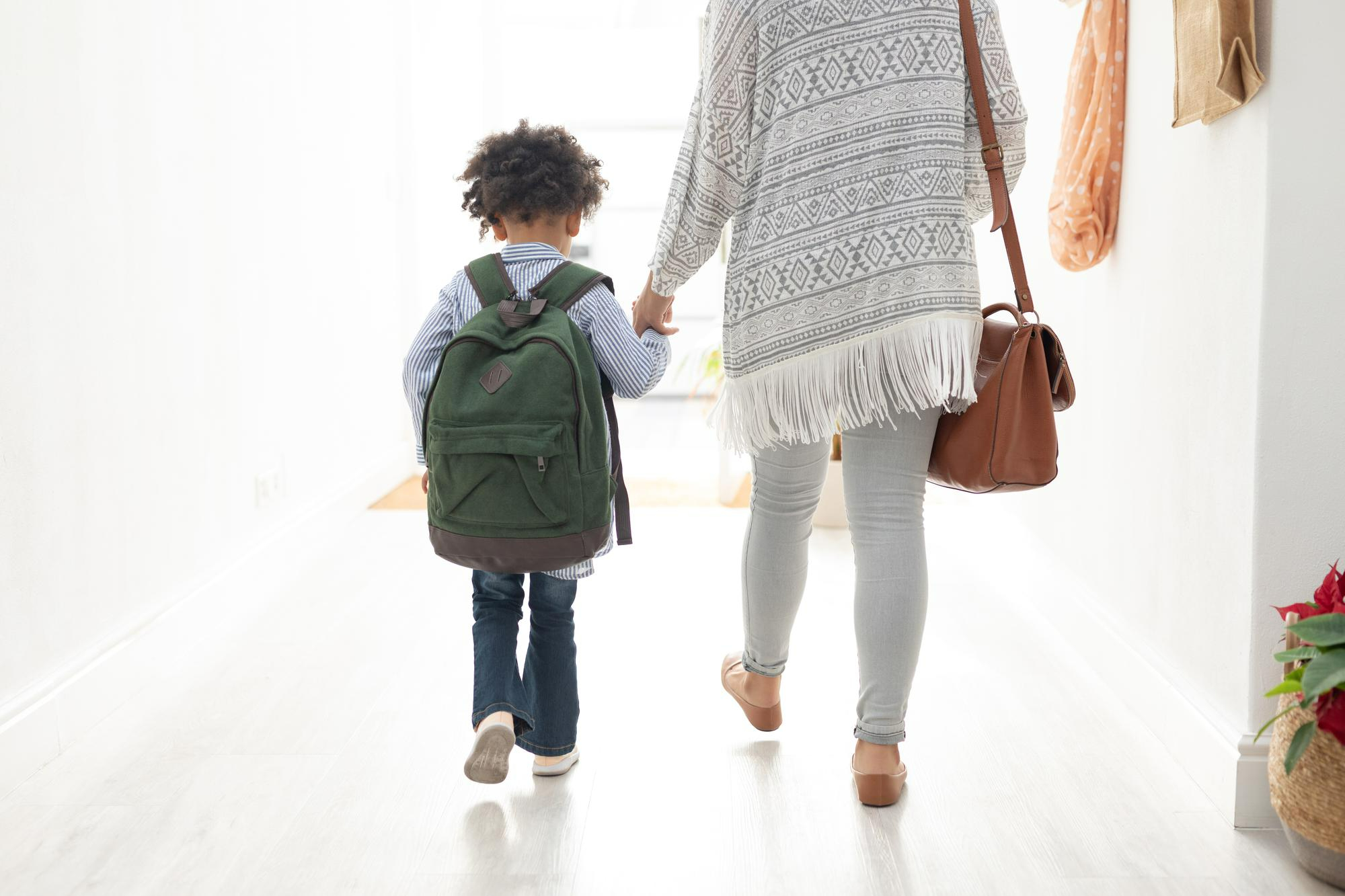
Every parent recognizes this moment when it arrives. The relaxed rhythm of July and August, filled with ice cream, beach trips, and no set bedtime, gives way almost overnight to alarms, uniforms, and packed lunches. Summer was all about late mornings, lazy breakfasts, playdates that stretched into the evening, endless screen time, and a wonderful sense of freedom. Then, almost overnight, everything changes. The alarm clock returns, uniforms come out of the closet, backpacks get filled with pencils and notebooks, and your child is suddenly expected to wake up early, sit still, concentrate for hours, and study. For many families, this shift feels less like a gentle transition and more like a collision. Tears at bedtime, tantrums in the morning, resistance to homework, and a general sense of grumpiness can take over the household in the first weeks of September.
If this sounds familiar, take a breath. You are not doing anything wrong, and your child is not being difficult on purpose. What you are witnessing is a completely normal reaction to a major shift in routine, environment, and expectations. Children thrive on rhythm and predictability, and when that rhythm changes abruptly, their nervous systems need time to catch up. The good news is that with a little patience, some practical strategies, and the right mindset, you can help your child move from summer mode to school mode without turning every morning into a battle.
Why the Transition Feels So Hard for Children
To understand how to help, it is useful to understand why this shift is so challenging in the first place. During summer, children experience unstructured time. They choose what to do, when to eat, when to nap, and when to play. This sense of autonomy is deeply satisfying for young minds. School, on the other hand, introduces structure, rules, and expectations that are set by someone else. Children have to sit at a desk, raise their hand before speaking, follow a timetable, and complete tasks that may not always feel fun or rewarding.
On top of that, sleep patterns shift dramatically. A child who has been going to bed at ten at night and waking up at nine in the morning suddenly has to be in bed by eight and up by six thirty. This kind of abrupt change disrupts the body’s internal clock, making children feel tired, irritable, and less able to regulate their emotions. Add to this the social pressure of meeting new teachers, adjusting to new classmates, and sometimes even starting at a new school altogether, and it becomes clear why so many children struggle in the first few weeks.
Understanding this helps parents respond with empathy rather than frustration. A child who is resisting bedtime or crying before school is not being manipulative. They are communicating, in the only way they know how, that the transition feels overwhelming.
Start the Adjustment Before the First Day
One of the most effective ways to reduce daily battles is to start adjusting routines before school actually begins, rather than waiting until the first morning to flip the switch. About two weeks before school starts, begin shifting bedtime and wake-up time by fifteen minutes every few days until you reach the target school time. This gradual approach is far gentler on a child’s body clock than an abrupt change.
Alongside sleep, begin reintroducing structure into the day. Set specific times for breakfast, quiet activities, and even a short “practice” period where your child sits at a table and does something focused, like drawing, reading, or a simple workbook page. This helps rebuild the muscle of sitting still and concentrating, which naturally weakens over a carefree summer.
It also helps to talk openly with your child about the upcoming changes. Ask them how they feel about going back to school. Some children are excited to see friends and are eager to learn, while others feel anxious about new teachers or academic expectations. Listening without judgment allows you to identify specific worries and address them before they turn into daily meltdowns.
Create a Calm and Predictable Morning Routine
Mornings are often where the real battles happen. A rushed, chaotic morning sets a stressful tone for the rest of the day, both for your child and for you. The key to calmer mornings is preparation the night before. Lay out clothes, pack the school bag, and prepare lunch boxes before bed so that mornings are not filled with last-minute searching and rushing.
Consider creating a simple visual morning routine chart for younger children. Pictures showing “wake up, brush teeth, get dressed, eat breakfast, put on shoes” give children a sense of control and predictability. When children know what comes next, they feel less anxious and are more cooperative.
Try to build in a few extra minutes so the morning does not feel like a race against the clock. Rushing communicates urgency and stress, even if you never say a word. A calm parent, even one who is secretly stressed on the inside, can help regulate a child’s emotions simply through tone of voice and body language.
Manage the Emotional Side of the Transition
Beyond logistics, there is an emotional component to this shift that deserves attention. Children, especially younger ones, may not have the vocabulary to express what they are feeling. Instead of saying “I am anxious about my new teacher,” a child might simply refuse to get dressed, cry unexpectedly, or become clingy at drop-off.
Validate these feelings rather than dismissing them. Phrases like “I know mornings feel different now, and that is okay” or “It makes sense that you miss the freedom of summer” help children feel heard. When children feel understood, they are far more likely to cooperate, because their resistance often comes from feeling unheard rather than from stubbornness.
It also helps to create small rituals that ease separation anxiety, such as a special handshake at drop-off, a note tucked into the lunchbox, or a specific phrase you say every morning, like “I will see you this afternoon, and I cannot wait to hear about your day.” These small, consistent gestures give children a sense of security amid change.
Rebuild Focus and Learning Habits Gradually
After a summer of screens, games, and unstructured play, many children need time to rebuild their capacity for focused learning. Rather than expecting your child to sit through a full hour of homework on day one, ease into it. Start with short, engaging sessions of ten to fifteen minutes and gradually increase the duration as your child’s stamina for concentration returns.
This is actually a wonderful moment to introduce or reintroduce enjoyable learning experiences that do not feel like a chore. This is where thoughtful, engaging language learning can play a powerful role. At KALIMA, we understand that Arabic lessons for kids should never feel like another item on an already overwhelming to-do list. Our online Arabic lessons for kids are designed around games, storytelling, puppet shows, singing, and drawing so that learning Arabic becomes something your child looks forward to rather than another academic pressure.
With more than nine years of experience helping children learn Arabic online for kids, we have seen firsthand how a fun, playful approach eases children back into a learning mindset without the stress that often comes with traditional schoolwork. Because our lessons are one-on-one and tailored to each child’s needs and pace, they can be a gentle, low-pressure way to rebuild focus and confidence as the school year begins. A twenty- or thirty-minute session filled with songs, characters, and interactive games can actually help a child transition into “learning mode” more smoothly than a worksheet ever could.
Keep Play and Downtime in the Schedule
As tempting as it is to fill every afternoon with structure the moment school starts, resist the urge to eliminate play entirely. Children need unstructured time to decompress after a full day of following rules, sitting still, and processing new information. Free play, whether it is building with blocks, running in the yard, or simply daydreaming, is not a waste of time. It is essential for emotional regulation and creativity.
Try to protect at least thirty minutes to an hour of true free play every day, especially in the first few weeks of school when your child’s nervous system is working overtime to adjust. This is not being permissive. It is recognizing that rest and play are part of healthy development, not a reward that has to be earned.
Watch for Signs of Deeper Struggle
While some resistance and grumpiness are completely normal in the first weeks of school, it is worth paying attention if the difficulty does not improve after three to four weeks, or if it seems to be getting worse rather than better. Persistent stomachaches, extreme reluctance to attend school, ongoing sleep disturbances, or a significant change in appetite or mood could indicate that your child needs more support, whether from the school, a counselor, or simply more one-on-one time with you.
Trust your instincts as a parent. You know your child better than anyone, and if something feels off beyond the typical back-to-school adjustment, it is always worth exploring further.
The Role of Nutrition and Physical Activity
It is easy to focus only on schedules and emotions during this transition, but the physical side of the equation matters just as much. A tired, undernourished body cannot regulate emotions well, no matter how supportive the environment is. As your child shifts from the relaxed eating patterns of summer, where snacks might happen at any hour and meals are more flexible, back into a school routine, pay attention to breakfast in particular. A child who leaves the house on an empty stomach or with only sugary cereal is far more likely to experience energy crashes, irritability, and difficulty concentrating by mid-morning.
Aim for a breakfast that combines protein, whole grains, and some fruit, and try to keep sugary drinks and heavily processed snacks to a minimum, especially in the first weeks when the body is already under stress from the schedule change. Hydration matters too. Children often forget to drink water during a busy school day, so packing a water bottle and reminding them to sip throughout the day can prevent the fatigue and headaches that come from mild dehydration.
Physical activity is equally important. After months of running around outside, swimming, and generally moving their bodies freely, children suddenly spend six or more hours a day sitting at a desk. This sudden drop in movement can leave them with pent-up energy that comes out as fidgeting, restlessness, or emotional outbursts at home. Make time after school, even just twenty minutes, for your child to run, jump, cycle, or play outside before diving into homework or dinner. This burst of movement helps release built-up tension and actually improves focus for the tasks that follow.
Involve Your Child in the Process
Children cooperate far more willingly when they feel like active participants rather than passive recipients of decisions made entirely by adults. Involve your child in small aspects of the back-to-school preparation. Let them choose their own school supplies, pick out a new backpack, or decide which two outfits to lay out for the first days of school. These small choices give children a sense of agency during a time when so much else feels out of their control.
You can also involve older children in setting up the new routine itself. Ask them what time they think they should start getting ready in the morning, or let them help design their own after-school schedule. When children have a hand in creating the routine, they are more invested in following it because it feels like their plan rather than a set of rules imposed on them.
This same principle applies beautifully to learning. When children are given some choice in how they learn, whether that is picking a story theme, choosing a song, or deciding which game to play during a lesson, their motivation increases significantly. This is one of the reasons our approach at KALIMA centers around flexibility and personalization. Every child who joins our online Arabic lessons for kids gets a program built around their interests and comfort level, because we know that ownership over the learning experience is one of the strongest predictors of genuine enjoyment and progress.
Communicate Openly With Teachers
Your child’s teacher is an important ally during this transition, and a quick conversation in the first week or two of school can make a real difference. Teachers see your child in a completely different environment than you do, and they often notice patterns you might not see at home, such as difficulty separating from a parent, trouble following instructions, or friendships forming and shifting.
If your child is struggling with the adjustment, do not hesitate to reach out and let the teacher know. A simple message explaining that your child has been anxious about the new school year, or that mornings have been difficult, allows the teacher to offer a little extra warmth or reassurance during drop-off. Teachers generally appreciate this kind of communication because it helps them respond to your child with context rather than guessing.
Similarly, staying in touch with any tutors, coaches, or instructors your child works with outside of school, including language teachers, helps create a consistent support system around your child during this sensitive period. When every adult in a child’s life understands what they are going through, the entire environment becomes more supportive and less overwhelming.
Why a Playful Language Like Arabic Can Help the Transition
There is something particularly powerful about weaving language learning into this back-to-school season, especially when that learning happens through play. Arabic is often seen by children as a difficult, rigid subject, filled with unfamiliar letters and sounds that seem far removed from the games and songs of summer. But it does not have to feel this way.
At KALIMA, our entire philosophy is built around the belief that learning Arabic online for kids should feel joyful rather than intimidating. With more than nine years of experience teaching Arabic to children, we have developed a method that leans into puppet shows, dancing, singing, storytelling, and drawing to introduce vocabulary, reading, and writing in a way that keeps children engaged and curious. Because the goal is to build a genuine love for their mother language, not simply to complete a curriculum, our lessons often feel more like play than study, which makes them an excellent complement to a child’s return to structured learning.
For families looking for Arabic lessons online that ease children back into a learning rhythm rather than adding pressure, this kind of format can be transformative. A child who feels overwhelmed by traditional school subjects may find that a lively, one-on-one Arabic session, filled with characters, movement, and music, becomes the highlight of their week rather than another obligation.
Give Yourself Grace as a Parent
Finally, remember that this transition is not only hard on children. Parents also have to shift gears, from the relaxed pace of summer mornings to the logistics of packed lunches, carpool lines, homework schedules, and extracurricular activities. It is completely normal to feel exhausted, frazzled, or even guilty if the transition is not going as smoothly as you hoped.
Give yourself the same grace you are trying to give your child. Perfection is not the goal here. What matters is showing up, day after day, with patience and consistency, even when mornings are messy or homework time turns into a negotiation. Children remember the warmth and steadiness of their parents far more than they remember whether every single morning went according to plan.
Small Wins Add Up
Perhaps the most important mindset shift for parents during this season is to celebrate small wins rather than expecting instant perfection. A morning with fewer tears than the day before is a win. A homework session that lasted five minutes longer than yesterday is progress. Children do not need flawless transitions. They need patient, consistent support while their bodies and minds catch up to the new rhythm of the school year.
It also helps to keep a simple mental log, or even a written one, of what is improving. Maybe your child got dressed without complaint for the first time in two weeks, or maybe they walked into the classroom without looking back for reassurance. These moments are easy to miss when you are focused on what still feels difficult, but writing them down or simply pausing to acknowledge them out loud to your child reinforces the progress that is happening, even when it feels slow.
Remember that this adjustment period is temporary. Within a few weeks, most children settle into a new normal, and the daily battles fade as routines become familiar again. Your steady presence, calm mornings, and willingness to make learning enjoyable, whether that is through play, creativity, or engaging Arabic lessons online, will make all the difference in how smoothly this season unfolds.
At KALIMA, our mission has always been to help children fall in love with their mother language through joy, creativity, and connection rather than pressure. As your family navigates this transition from summer freedom to school structure, we would be honored to be part of your child’s journey, offering a space where learning Arabic feels like play rather than work.
Give your child the gift of loving their mother tongue. At KALIMA, we make learning Arabic fun, creative, and stress-free through games, puppet shows, storytelling, drawing, dancing, and singing, with one-on-one lessons tailored to your child’s needs. Ready to get started? Reach out to us and let’s begin this journey together.
Contact us on 📞 +961 81 701 455 📧 info@kalima-lessons.com
Recommended Read: Grandma’s Kitchen: Learning Arabic Through Food and Family