Why – One-on-One- Arabic Lessons Help Children Learn Faster
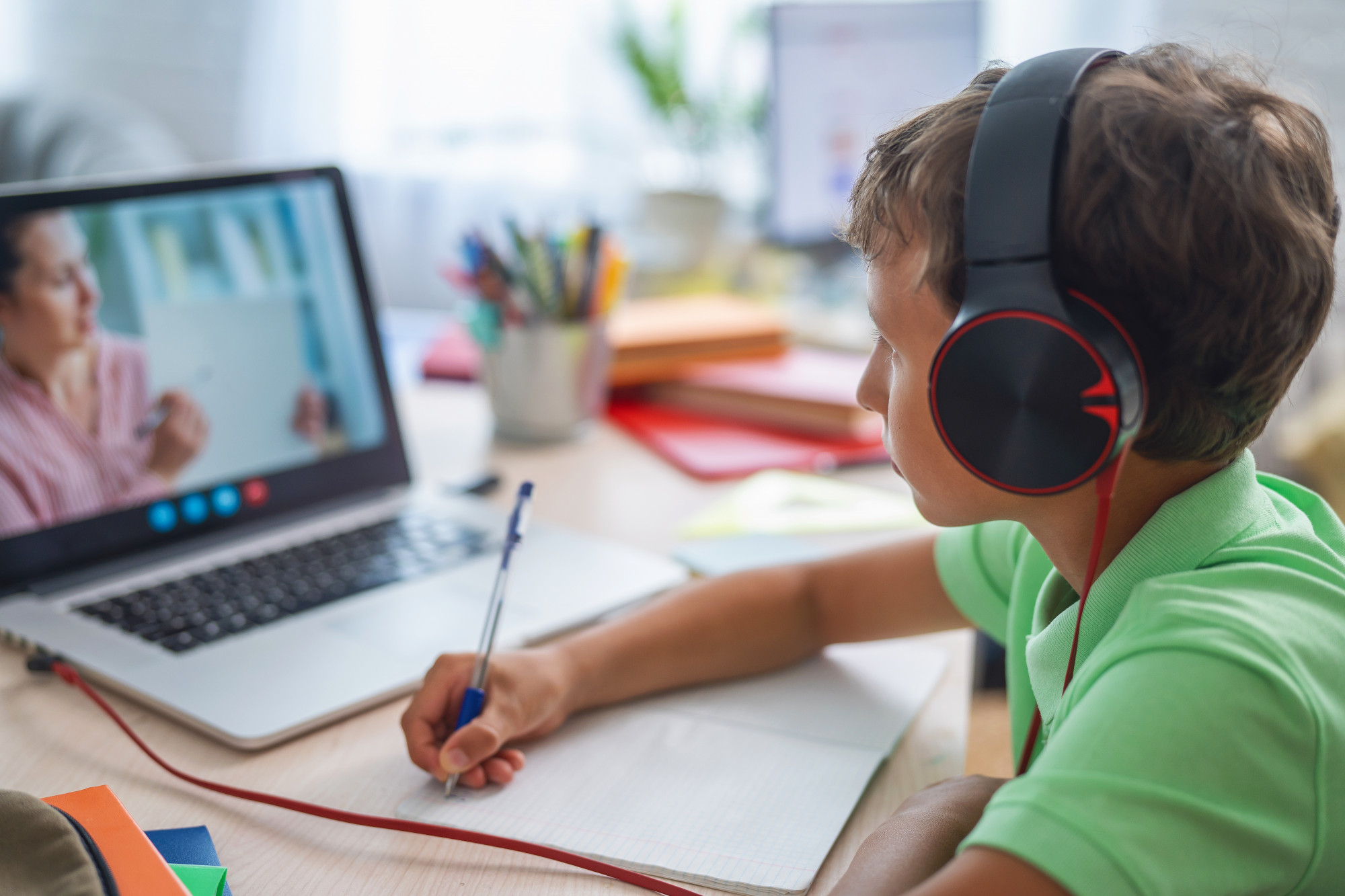
Every child learns differently, and personalized one-on-one Arabic lessons can turn confusion into confidence while making learning more enjoyable. For parents searching for online Arabic lessons for kids, the real question is not whether Arabic is important, but how children actually learn it best in a way that feels natural, stress-free, and effective.
Arabic is a rich language with deep structure, different sounds, and new vocabulary for many children. Because of this, the learning environment plays a major role in whether a child feels motivated or overwhelmed. Some children pick up words quickly, others need repetition, and some need emotional reassurance before they even start speaking.
In a group classroom, these differences are difficult to manage. A single teacher must balance multiple students with different speeds, personalities, and attention spans. As a result, some children fall behind, some feel rushed, and others lose interest.
One-on-one learning solves this problem completely. It allows the entire lesson to be shaped around one child only. The pace, method, communication style, and difficulty level all adjust in real time based on how the child responds. This creates a learning environment where confusion becomes clarity and hesitation becomes confidence.
This is why learning Arabic online for kids in a personalized format is becoming one of the most effective approaches for early language development today.
Every Child Learns in a Completely Different Way
One of the most important truths in education is that no two children learn the same way. Each child has a unique combination of personality, learning style, attention span, emotional sensitivity, and communication behavior.
Some children are visual learners. They understand better when they see images, colors, written words, or demonstrations. Others are auditory learners who absorb language through listening, repetition, songs, and conversation. Some children are kinesthetic learners who need movement, interaction, and physical engagement to stay focused and understand meaning.
In group lessons, it is impossible to fully adapt to all these learning styles at once. The teacher must follow a general method that fits most of the group, but not necessarily every child.
In one-on-one Arabic lessons, the entire structure changes. The teacher can immediately identify how the child learns best and adjust the teaching method accordingly. If the child responds better to visual learning, more visuals are used. If the child learns through repetition, more reinforcement is added. If the child learns through movement, the lesson becomes interactive and active.
This level of personalization is one of the strongest reasons why Arabic lessons online in a one-on-one format lead to faster learning outcomes.
Attention Is the Foundation of Faster Learning
Attention is one of the most important elements in language learning. Without attention, even the best lesson becomes ineffective.
In group environments, attention is divided. The teacher must manage multiple students at the same time. Children also get distracted by each other’s behavior, noise, or different levels of participation. This reduces the amount of focused learning time each child receives.
In one-on-one lessons, attention is fully focused on a single child. There are no distractions, no competition for attention, and no waiting time. The teacher is completely present for the child during the entire session.
This focused attention allows immediate correction, immediate feedback, and continuous engagement. If the child does not understand something, it is repeated instantly in a different way. If the child is confused, the lesson adjusts immediately.
This constant feedback loop dramatically increases learning speed because no misunderstanding is left unresolved.
Children also feel more valued when they receive full attention. This emotional experience increases motivation and participation naturally.
Confidence Grows in a Safe Learning Environment
Confidence is one of the biggest factors in language learning. A child who feels confident will speak more, try more, and practice more. A child who lacks confidence will remain silent even if they understand.
In group settings, children often compare themselves to others. Some may feel embarrassed if they make mistakes. Others may avoid speaking to prevent attention. This creates emotional pressure that slows down learning.
One-on-one learning removes all of this pressure completely. There is no comparison, no competition, and no fear of judgment from other students.
The child is in a safe space where mistakes are part of learning, not something to be afraid of. The teacher can gently correct errors without interrupting confidence or emotional comfort.
This emotional safety is extremely important for young learners. When children feel safe, they become more expressive. They try new words, experiment with sentences, and engage more actively in Arabic communication.
Over time, this confidence becomes the foundation of real fluency.
Learning at the Child’s Natural Pace
Every child has their own natural learning speed. Some children process new information quickly, while others need more repetition and time to absorb new concepts.
In group lessons, the pace is fixed. The teacher must follow a schedule that suits the majority of students. This means some children may feel rushed while others feel bored or unchallenged.
One-on-one Arabic lessons eliminate this problem completely. The entire pace is adjusted based on the child’s understanding in real time.
If the child understands quickly, the lesson moves forward. If the child struggles, the concept is explained again in a different way. If the child needs repetition, it is provided without pressure.
This flexible pacing ensures that the child is always learning at the optimal level of challenge. Not too easy, not too difficult.
This balance is essential for effective language acquisition and helps maintain motivation over time.
Communication Becomes Constant Practice
Language is learned through use, not observation. The more a child speaks, listens, and responds, the faster they develop fluency.
In group settings, speaking time is divided among all students. Some children may speak very little during the session, especially if they are shy or waiting for their turn.
In one-on-one lessons, speaking time is maximized. The child is constantly engaged in conversation with the teacher. Every activity becomes an opportunity to speak, respond, or interact.
This constant communication accelerates speaking development significantly. Children become more comfortable forming sentences, expressing thoughts, and responding naturally in Arabic.
Listening skills also improve faster because the child is exposed to continuous spoken Arabic in real interaction rather than passive listening.
Personalized Teaching Matches Personality
Every child has a unique personality. Some are shy, some are energetic, some are curious, and some are analytical.
Group lessons cannot fully adapt to individual personalities, but one-on-one learning can.
If a child is shy, the teacher uses gentle encouragement and gradual exposure to speaking. If a child is energetic, the teacher uses games, movement, and interactive tasks. If a child is curious, the teacher expands explanations and storytelling. If a child prefers structure, the teacher introduces patterns and clear steps.
This personalization makes learning feel natural instead of forced.
When a child feels understood, they become more engaged and motivated. This emotional alignment improves both participation and results.
Mistakes Become Learning Opportunities
In many traditional learning environments, children fear making mistakes. They may feel embarrassed or hesitant to speak if they are corrected in front of others.
In one-on-one lessons, mistakes are handled differently. They are seen as a natural part of learning rather than something negative.
The teacher can immediately correct the child in a supportive and calm way. There is no audience, no comparison, and no pressure.
This transforms mistakes into learning opportunities.
When children stop fearing mistakes, they start speaking more freely. They experiment with language and learn through experience rather than fear.
This is essential for developing real communication skills.
Focused Revision Strengthens Retention
Repetition is essential in language learning, especially for Arabic, which includes new sounds, structures, and vocabulary for many children.
In group settings, revision is generalized. Not every child needs the same repetition, so some may not get enough reinforcement while others may feel it is repetitive.
In one-on-one learning, revision is fully customized. The teacher focuses only on what the child needs. Weak areas are reinforced immediately, while strong areas are advanced further.
This targeted revision improves long-term memory and reduces forgetting.
Children retain vocabulary more effectively because they are not overloaded with unnecessary repetition or left without enough practice.
Faster Progress in Speaking and Listening Skills
One of the most noticeable benefits of one-on-one Arabic lessons is rapid improvement in speaking and listening.
Because the child is constantly engaged in direct conversation, listening comprehension develops naturally. The child becomes familiar with spoken Arabic in real interaction, not just repetition.
Speaking improves at the same time because the child is actively using language throughout the session.
This continuous engagement builds fluency faster than passive or partially interactive environments.
Flexibility Improves Consistency
Consistency is one of the most important factors in language learning. Regular exposure leads to better retention and long-term progress.
One-on-one online Arabic lessons for kids offer flexibility in scheduling, making it easier for families to maintain consistency.
Lessons can be adapted to the child’s daily routine, energy levels, and availability. This reduces stress for both parents and children.
When learning becomes easy to maintain, consistency improves naturally, and results become stronger over time.
Parents Can See Clear Progress
One of the advantages of one-on-one learning is transparency in progress.
Parents can clearly observe improvements in vocabulary, pronunciation, comprehension, and confidence.
Teachers can also adjust the learning plan based on progress, ensuring continuous development.
This clarity gives parents confidence that their child is moving forward at a healthy and effective pace.
Long-Term Benefits Beyond Language
One-on-one Arabic learning not only improves language skills but also It also develops broader cognitive and emotional abilities.
Children become better communicators. They gain confidence in expressing themselves. They improve focus and listening skills. They also develop a positive relationship with learning in general.
Instead of seeing Arabic as difficult, they begin to see it as something they can understand and enjoy.
This mindset supports future academic success and lifelong learning.
Final Thoughts
One-on-one Arabic lessons create an environment where children feel safe, understood, and fully supported. By removing pressure, adapting to personality, and focusing on individual learning pace, these lessons turn confusion into clarity and hesitation into confidence.
For parents searching for online Arabic lessons for kids, personalized learning is one of the most effective ways to ensure real progress, emotional comfort, and long-term success.
When children feel understood, they learn faster. When they feel safe, they speak more. And when learning is personalized, Arabic becomes not just a subject but a natural part of their everyday communication.
Learn Arabic in a Personalized and Supportive Way
At KALIMA, one-on-one Arabic lessons are designed to help children learn naturally through personalized attention, interactive activities, storytelling, and real communication practice.
Each lesson is adapted to the child’s pace, personality, and learning needs, creating a supportive environment where confidence and Arabic skills grow together. To book your child’s Arabic classes, contact us on 📞 +961 81 701 455 📧 info@kalima-lessons.com
Recommended Read: Every Arabic word preschoolers should know before starting school