Learning Arabic Through Play: Why Games and Storytelling Work Better for Kids
Children learn best when they laugh, move, imagine, and play, which is why interactive games and storytelling make Arabic learning far more effective, enjoyable, and memorable for children than traditional teaching methods alone. For parents searching for Arabic lessons for kids, this realization often changes the entire way they approach language learning. Instead of focusing on memorization or rigid study, they begin to understand that children need experience, emotion, repetition in context, and active participation.
Learning Arabic is not just about teaching vocabulary or grammar rules. For children, it is about building a relationship with the language. When Arabic becomes something they experience through games, stories, movement, and imagination, it stops being “schoolwork” and starts becoming communication. This shift is what makes learn arabic language for children through interactive methods so effective and sustainable over time.
Why Children Learn in a Completely Different Way From Adults
One of the most important things to understand about children is that they do not learn like adults. Adults rely heavily on logic, explanation, memorization, and structured thinking. They can sit through long lessons and still retain information because their brains are trained for abstract understanding.
Children, on the other hand, learn through experience. Their brains are still developing, which means they depend much more on emotion, movement, repetition, and interaction. A child will rarely remember a grammar explanation given in isolation, but they will easily remember a word they heard during a game, a funny moment, or a story they enjoyed.
This difference is critical. When Arabic lessons are designed like adult classes, children often lose interest quickly. They may appear to be listening, but mentally, they are not engaged. However, when the same content is transformed into play, everything changes. The child becomes active, curious, and emotionally involved.
Instead of being passive learners, children become participants in the language itself.
The Role of Emotion in Memory and Language Learning
Children do not store information as separate facts. They store experiences that are tied to emotion. This is why emotional engagement plays such a powerful role in language learning.
When a child feels excitement, curiosity, joy, or even surprise during an Arabic lesson, their brain forms stronger memory connections. This means that vocabulary learned during emotional experiences is far more likely to stay in long-term memory.
For example, a child who learns Arabic words through a competitive game or a funny storytelling moment will retain those words much longer than a child who simply repeats them from a list.
Emotion acts as a memory booster. It gives meaning to words. It transforms abstract language into something lived and experienced.
This is why modern approaches to online Arabic lessons for kids focus heavily on engagement rather than repetition alone.
Why Play Is the Natural Learning System for Children
Play is not a break from learning. For children, play is the learning process itself.
When children play, they explore roles, test ideas, communicate with others, and express emotions. Language becomes part of everything they do during play. They are not “studying Arabic.” They are using it naturally in context.
This is the most important difference between traditional learning and play-based learning.
For example, in a simple guessing game, a child might need to identify objects, respond in Arabic, or follow instructions. In that moment, Arabic becomes meaningful because it is tied to action and purpose. The child is not memorizing vocabulary for later use; they are using it immediately.
This immediate use strengthens understanding and builds confidence at the same time.
Play also reduces pressure. Children are not afraid of making mistakes because the focus is on the game, not perfection. This emotional safety encourages them to speak more freely and experiment with language.
Storytelling as a Natural Language Environment
Storytelling is one of the oldest and most powerful ways humans learn language. Long before schools existed, stories were how children learned communication, values, culture, and identity.
In Arabic learning, storytelling is especially effective because it creates context. Instead of isolated words, children hear Arabic inside meaningful situations.
A story about a child going to school, visiting a market, or going on an adventure gives language a structure. The child understands words through events, emotions, and characters rather than direct translation.
This is extremely important for comprehension development.
When children hear Arabic in stories, they begin to predict meaning. They connect actions with vocabulary. They understand language flow without needing explanation.
Storytelling also improves attention span. Children naturally want to know what happens next, so they listen more carefully and for longer periods of time.
This makes storytelling one of the strongest tools used in effective Arabic lessons for kids.
How Stories Build Vocabulary Without Pressure
One of the biggest advantages of storytelling is how naturally it builds vocabulary.
Instead of forcing children to memorize words, stories introduce vocabulary repeatedly in different situations. A single word might appear in multiple parts of a story, each time in a slightly different emotional or situational context.
For example, a word related to food might appear during breakfast, lunch, and a family gathering inside the same story. Each repetition strengthens understanding without feeling repetitive.
Children begin recognizing words naturally. They connect meaning through context instead of translation. Over time, this builds real comprehension rather than surface-level memorization.
This method is far more effective than traditional vocabulary lists because it mirrors how language is actually used in real life.
Why Games Make Learning Active Instead of Passive
Games transform learning from passive listening into active participation.
In a game, the child is not just receiving information. They are reacting, thinking, speaking, and making decisions. This level of engagement makes learning much more powerful.
Different types of games support different skills. Matching games help children connect Arabic words with meaning. Movement games link vocabulary with action. Memory games strengthen recall. Roleplay games encourage conversation and spontaneous speech.
But the most important benefit of games is emotional engagement.
Children are focused on winning, participating, or enjoying the activity. Because of this, they are not afraid of making mistakes. They speak more freely, repeat words naturally, and stay engaged for longer periods of time.
This creates a strong foundation for confidence in Arabic communication.
Movement and Physical Engagement in Language Learning
Children are not designed to sit still for long periods. Their learning process is deeply connected to movement.
When Arabic learning includes physical activity, children form stronger mental connections with language. For example, acting out verbs or using gestures while speaking Arabic helps children understand the meaning instantly.
Movement connects the body and the brain. This makes learning more memorable because language is no longer abstract. It becomes something physical and real.
Movement also improves focus. Children who are physically engaged are less likely to lose attention. Instead, they remain active participants in the learning process.
This is especially important in modern online Arabic lessons for kids, where physical interaction is integrated into digital environments to maintain engagement.
Imagination as a Gateway to Natural Communication
Children have strong imaginations. They constantly create pretend worlds where they explore roles and ideas.
This imagination becomes a powerful tool for language learning.
When children pretend to be teachers, shopkeepers, doctors, or characters in a story, they naturally begin using Arabic in communication. They are not repeating sentences. They are creating conversations based on imagined situations.
This makes language feel real and meaningful.
Imaginative play also removes fear. Children are not worried about correctness because they are focused on the story. This emotional freedom encourages more speaking practice and builds confidence.
Over time, this leads to more natural and fluent communication.
Emotional Safety and Confidence Building
Emotional safety is one of the most important elements of language learning for children.
If a child feels judged, corrected too harshly, or pressured to be perfect, they often become silent. They may understand Arabic but avoid speaking it.
However, when children feel safe, they experiment more with language. They try new words, make mistakes, and learn through correction without fear.
Positive reinforcement plays a major role here. Encouragement helps children associate Arabic with success rather than pressure.
This is why supportive environments are essential in Arabic lessons for kids. Confidence is not built through correction alone. It is built through emotional comfort and encouragement.
Why Online Learning Enhances Arabic Education
Online learning has changed how children experience language education.
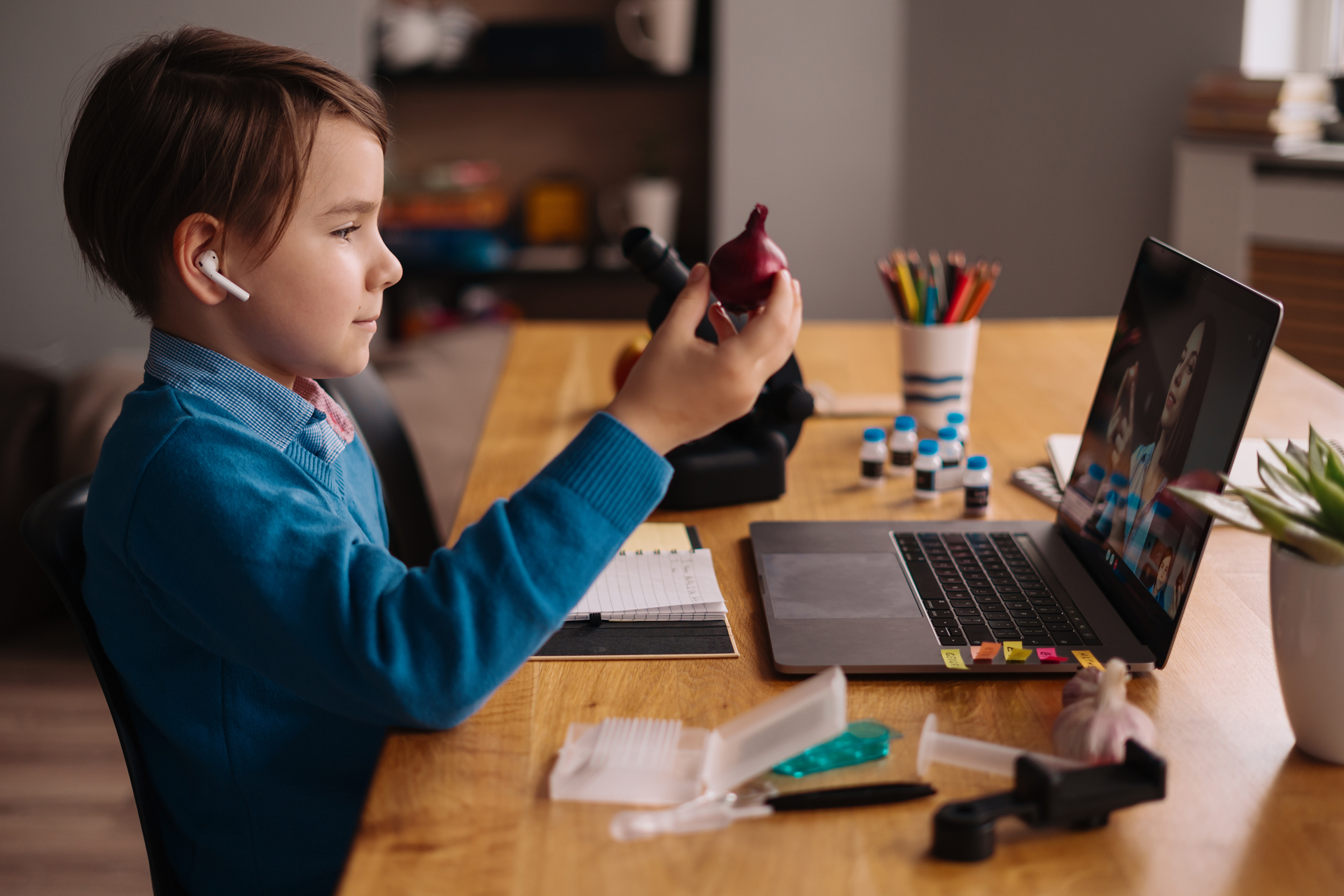
With modern tools, Arabic lessons can include interactive games, storytelling visuals, songs, animations, and real-time speaking activities.
Children are already familiar with digital environments, so they engage naturally with online lessons.
Another major benefit is personalization. Online learning allows lessons to be adapted to each child’s pace, personality, and learning style.
Shy children feel more comfortable in one-on-one settings. Active children stay engaged through interactive tasks. Visual learners benefit from images and storytelling.
This makes online Arabic lessons for kids highly flexible and effective.
The Importance of Personalized Learning
Every child learns differently.
Some learn best through stories, others through games, and others through movement or visual learning.
Personalized learning ensures that each child receives lessons that match their natural strengths.
When learning matches a child’s style, engagement increases automatically. The child feels understood and supported, which improves motivation and results.
This approach makes Arabic learning more efficient and enjoyable.
The Role of Parents in Language Development
Parents play a key role in supporting Arabic learning outside of lessons.
Even small daily habits can make a big difference. Speaking simple Arabic phrases, reading short stories, listening to Arabic songs, or playing small word games helps children stay connected to the language.
The goal is not perfection but consistency. Small repeated exposure builds familiarity over time.
When Arabic becomes part of everyday life, children see it as natural rather than academic.
Long-Term Impact of Play-Based Arabic Learning
Learning Arabic through play develops more than language skills.
It builds confidence, creativity, communication abilities, emotional expression, and cultural connection.
Children who enjoy learning develop a positive relationship with Arabic. This increases their willingness to continue using it as they grow older.
Instead of seeing Arabic as difficult, they see it as meaningful and enjoyable.
This mindset is the foundation of long-term success in language learning.
Arabic learning for children does not need to be rigid or stressful. When games, storytelling, imagination, movement, and emotional engagement are included, children learn naturally and effectively.
This is why more families today choose interactive Arabic lessons for kids that focus on play-based learning instead of memorization alone.
When learning feels like play, children do not resist it. They enjoy it. And that is where real learning begins.
Learn Arabic in a Fun and Interactive Way
At KALIMA, Arabic learning is designed to feel engaging, creative, and enjoyable. Through one-on-one online lessons, children learn through games, storytelling, songs, movement, and interactive activities that match their personality and learning style.
Each lesson is personalized to help children build confidence while developing a natural love for Arabic in a relaxed and supportive environment. To book your child’s Arabic classes, contact us on 📞 +961 81 701 455 📧 info@kalima-lessons.com
Recommended Read: Why Multicultural Families Are Choosing Online Arabic Lessons for Their Children